
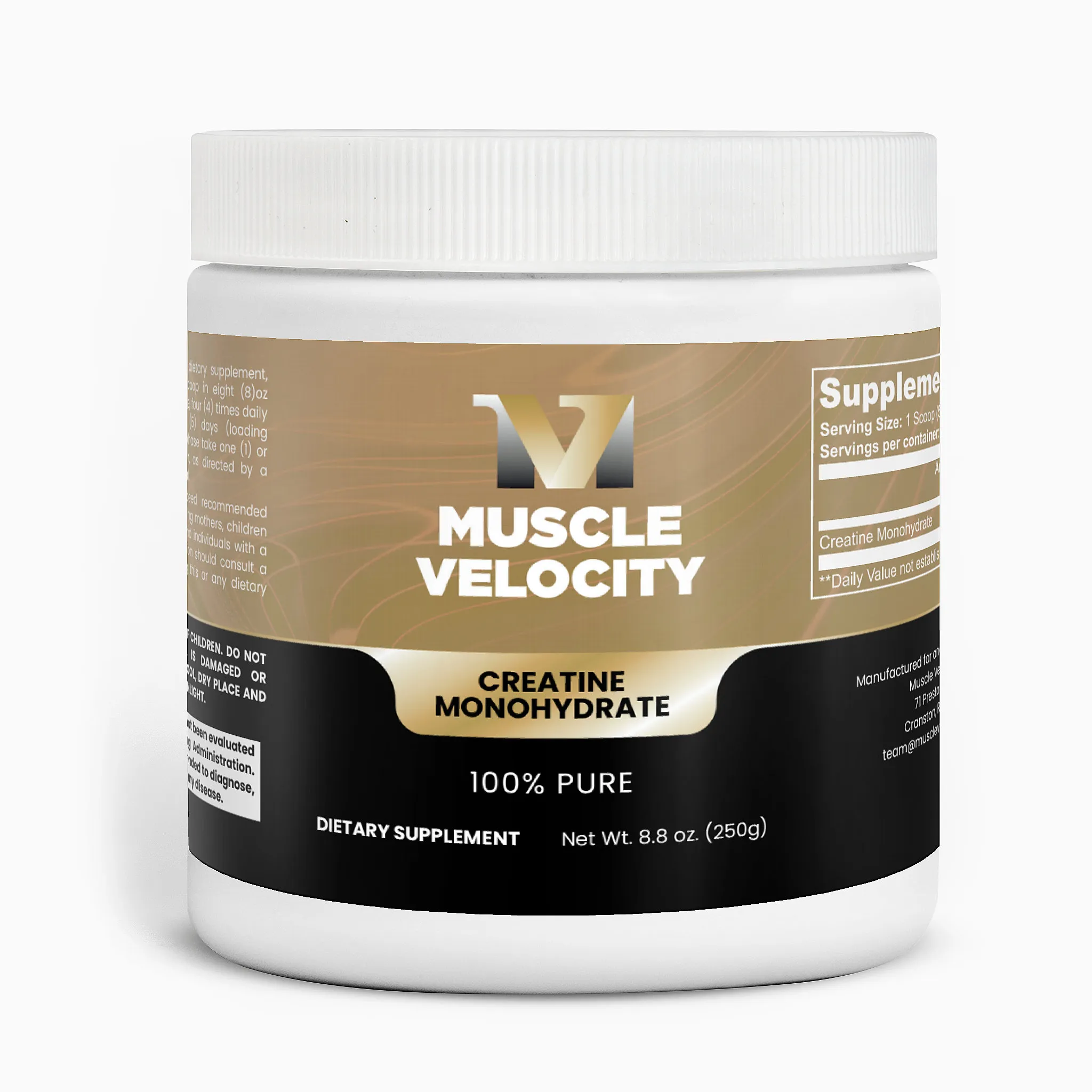
Simplest protocol
Creatine Monohydrate
Single-ingredient micronized monohydrate for a straightforward daily creatine routine.
View creatine monohydrateCognition, without the hype
The brain uses the same energy currency as muscle. That makes creatine interesting—not proven as a universal focus supplement.
This guide is part of our creatine use-case guides track. For continuity, read creatine monohydrate and creatine without bloating.
The short answer
Creatine monohydrate may support some aspects of cognitive performance, particularly memory, but the evidence is smaller and less settled than the exercise research. A 2024 meta-analysis reported positive effects for memory and certain time-based attention and processing measures while finding no significant improvement in overall cognition or executive function. Treat creatine as a plausible support—not a stimulant, treatment, or guaranteed focus upgrade.
Decision brief
The cognitive case is promising but less established than the strength and performance case.
Creatine is not an immediate stimulant and should not feel like caffeine.
Evidence varies by outcome and population; a result in one test does not prove a universal brain benefit.
Sleep, medical issues, stress, and nutrition deserve attention before a supplement is blamed or credited for poor focus.
Muscle Velocity standard
If you test creatine for cognitive support, choose transparent monohydrate, remove stimulant noise, and keep your expectations anchored to the research.
Simplest protocol
Single-ingredient micronized monohydrate for a straightforward daily creatine routine.
View creatine monohydrateEducational content only. Supplements are not a substitute for medical care. Speak with a qualified healthcare professional when a condition, medication, or persistent symptom is involved.
The brain has high, continuous energy demands. The creatine-phosphocreatine system helps buffer and regenerate ATP there just as it does in muscle, which creates a credible biological reason to study supplementation.
A credible mechanism is the start of a case, not the end. Brain uptake, baseline dietary intake, age, sleep status, and the specific cognitive task can all influence whether a trial detects a meaningful effect.
That complexity is why sweeping promises about clarity and focus are not justified. The research asks narrow questions. Marketing often turns those answers into something much larger.
A 2024 systematic review and meta-analysis included 16 randomized controlled trials with 492 participants. It found a moderate-certainty positive effect for memory. Some time-based measures of attention and processing speed also improved, but the certainty for those outcomes was low.
The review did not find a significant improvement in overall cognitive function or executive-function scores. Those negative findings belong beside the positive ones. They are the difference between an evidence review and a sales pitch.
Do not test creatine during a week of poor sleep, travel, a new diet, and a major change in caffeine. You will learn nothing. Stabilize the obvious inputs first, then add one repeatable supplement routine.
Choose a relevant outcome before you start: afternoon error rate, a consistent memory task, or perceived mental fatigue at the same time each day. Keep expectations modest and give the non-stimulant mechanism time. If nothing useful changes, that is a valid result.
Persistent cognitive symptoms deserve medical evaluation. A supplement experiment is not a diagnosis and should never delay appropriate care.
Buying checklist
The cognitive trials in the cited meta-analysis used creatine monohydrate, making it the cleanest match to the evidence.
Caffeine can create an immediate sensation that makes it impossible to judge creatine's slower, non-stimulant role.
A clearly stated serving makes a consistent trial possible and prevents guesswork.
Avoid products promising instant clarity, disease treatment, or a guaranteed cognitive transformation.
Fit check
Common questions
Possibly for some people and some measures, but the evidence is not strong enough to promise a general focus benefit. A 2024 meta-analysis found mixed results across cognitive domains and rated several outcomes as low-certainty evidence.
Creatine is a naturally occurring compound involved in cellular energy, not a stimulant. It is sometimes discussed as a cognitive supplement, but its exercise evidence is much more established than its nootropic positioning.
There is no reliable instant timeline, and creatine should not produce a caffeine-like effect. Trials vary in dose, duration, population, and outcome, so personal response cannot be predicted precisely.
Creatine should not be presented as a treatment for brain fog or any medical condition. Persistent concentration or memory problems can have many causes and deserve evaluation by a qualified healthcare professional.
Evidence desk
Continue the creatine guide