
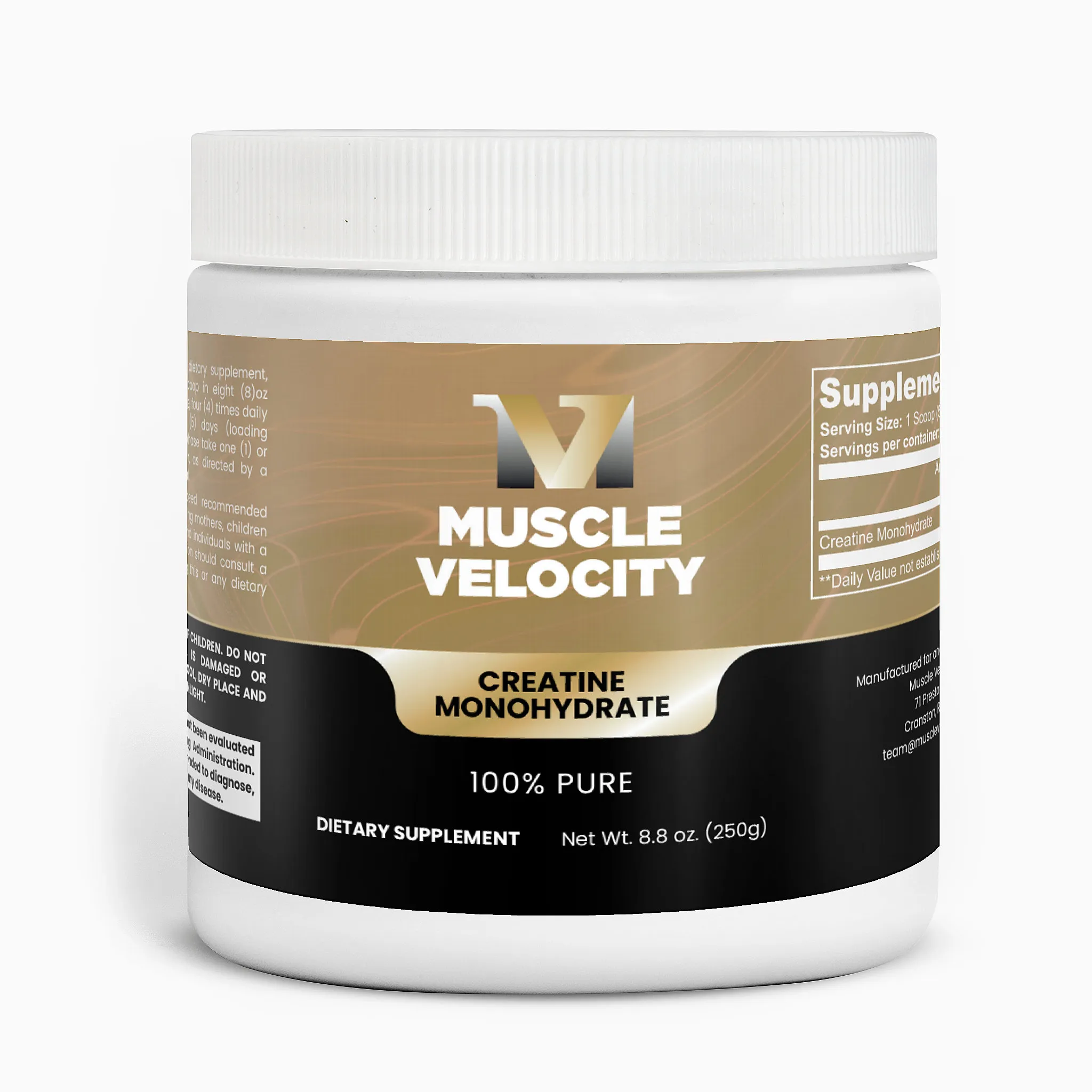
Simplest protocol
Creatine Monohydrate
Single-ingredient micronized monohydrate for a straightforward daily creatine routine.
View creatine monohydrateFirst-time protocol
The creatine aisle looks complicated because complexity sells. Your first protocol does not need to be.
This guide is part of our creatine use-case guides track. For continuity, read creatine monohydrate and creatine for muscle growth and strength.
The short answer
The best starting point for most healthy adult beginners is plain creatine monohydrate with a clearly labeled serving. Take it consistently, follow the label, and skip the assumption that you need an aggressive loading phase or an exotic form. Creatine supports repeated high-intensity work over time; it is not a pre-workout stimulant and should not feel like one.
Decision brief
Start with creatine monohydrate rather than paying more for an unproven alternative.
Loading is optional; a consistent daily routine is the simpler beginner path.
Early scale movement can reflect water stored in muscle, not body fat.
Change one variable at a time so you can judge tolerance and usefulness.
Muscle Velocity standard
Plain monohydrate is still the cleanest first test. Choose the hydration blend only if you also want sodium, potassium, and magnesium around training. It contains 1,000 mg of sodium per serving, so check the label against your diet and clinician guidance.
Simplest protocol
Single-ingredient micronized monohydrate for a straightforward daily creatine routine.
View creatine monohydrate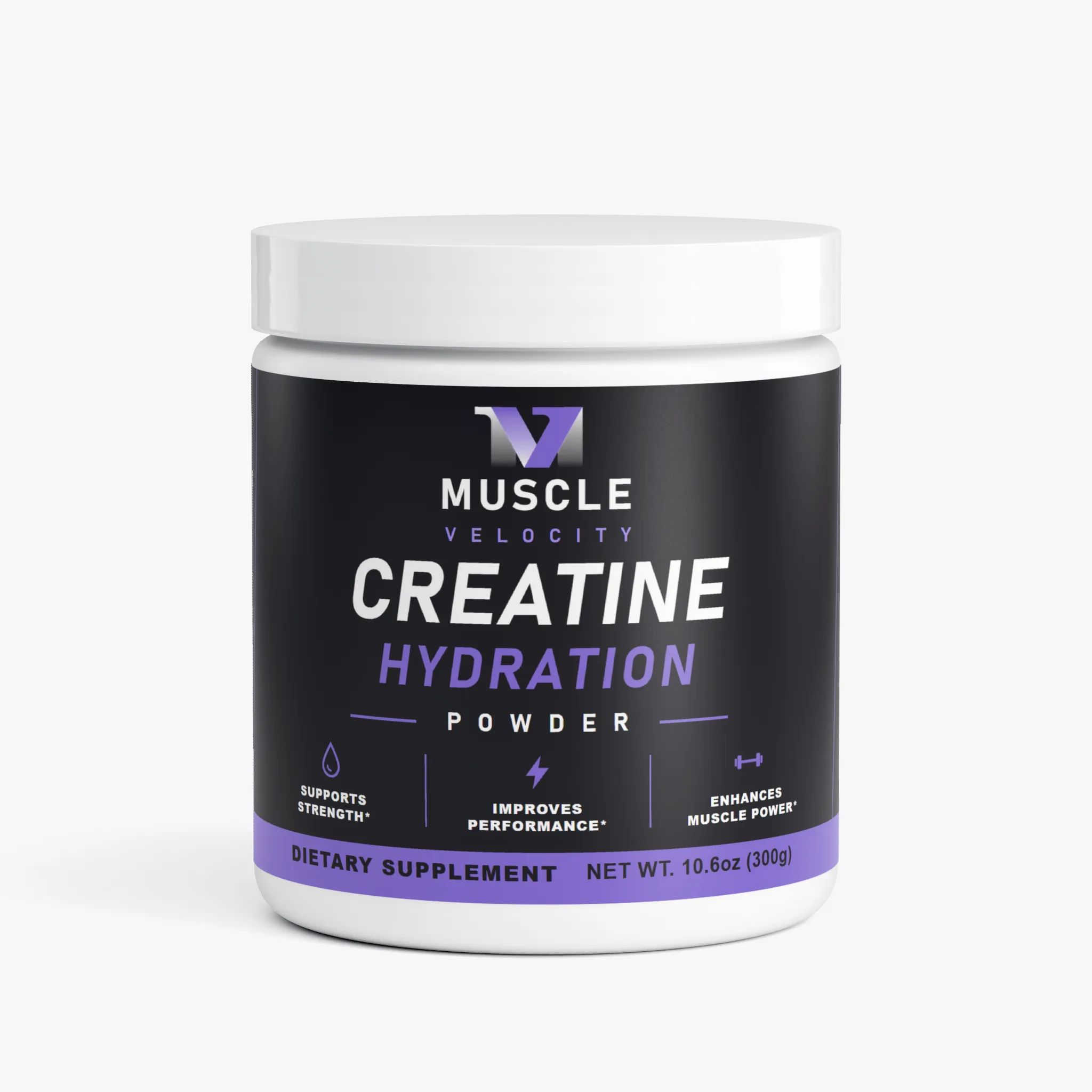
Training + hydration
5 g of creatine plus sodium, potassium, and magnesium when hydration support is part of the training plan.
View hydration formulaEducational content only. Supplements are not a substitute for medical care. Speak with a qualified healthcare professional when a condition, medication, or persistent symptom is involved.
Your muscles use ATP as immediate energy. During hard, short efforts, stored phosphocreatine helps regenerate that ATP. Supplementing with creatine can increase those stores, giving the system more capacity across repeated bouts of demanding work.
That is why the clearest benefits appear in lifting, sprinting, jumping, and repeated high-intensity efforts. Creatine is less relevant to steady endurance work, and it does not compensate for an unfocused program.
You may notice another repetition, better repeat-set quality, or gradual progress in the training log. You should not expect the instant sensation associated with caffeine.
A traditional loading protocol uses several larger servings per day for roughly a week before shifting to a maintenance dose. It fills tissue stores faster, but faster is not automatically better.
Beginners can use a steady daily serving instead. Saturation takes longer, but the routine is easier and may reduce digestive discomfort caused by taking too much at once. The practical win is adherence, not speed.
The biggest mistake is treating creatine like a feeling. When there is no buzz, new users often increase the dose, add a pre-workout blend, or quit after four days. None of those choices tells you whether creatine is helping.
The second mistake is buying a premium-sounding form before learning the basics. The NIH notes that more expensive forms have not been proven superior to monohydrate for raising muscle creatine, stability, digestibility, or safety.
Run a clean test. Keep training and nutrition stable, use one transparent product, and give the routine enough time to become measurable.
Buying checklist
A beginner can evaluate creatine more clearly when it is not bundled with stimulants or a proprietary blend.
This is the extensively studied form and the default against which alternatives should be judged.
You should not need to reverse-engineer a scoop or guess how much active ingredient you receive.
A testing claim is useful only when the manufacturer identifies the standard or makes documentation available.
Fit check
Common questions
Creatine monohydrate is the sensible default because it is the most extensively studied form. More expensive alternatives have not consistently shown superior performance benefits.
No. Loading fills tissue stores faster, but a consistent daily maintenance approach can reach saturation more gradually. Many beginners prefer the simpler routine.
The best time is the time you can repeat consistently. Creatine works by building and maintaining tissue stores, so routine matters more than a narrow pre- or post-workout window.
The timeline depends on the protocol and the individual. Loading can raise stores more quickly, while a steady daily approach takes longer. Judge it through training performance over weeks rather than expecting an immediate sensation.
Evidence desk
Continue the creatine guide