
Simplest protocol
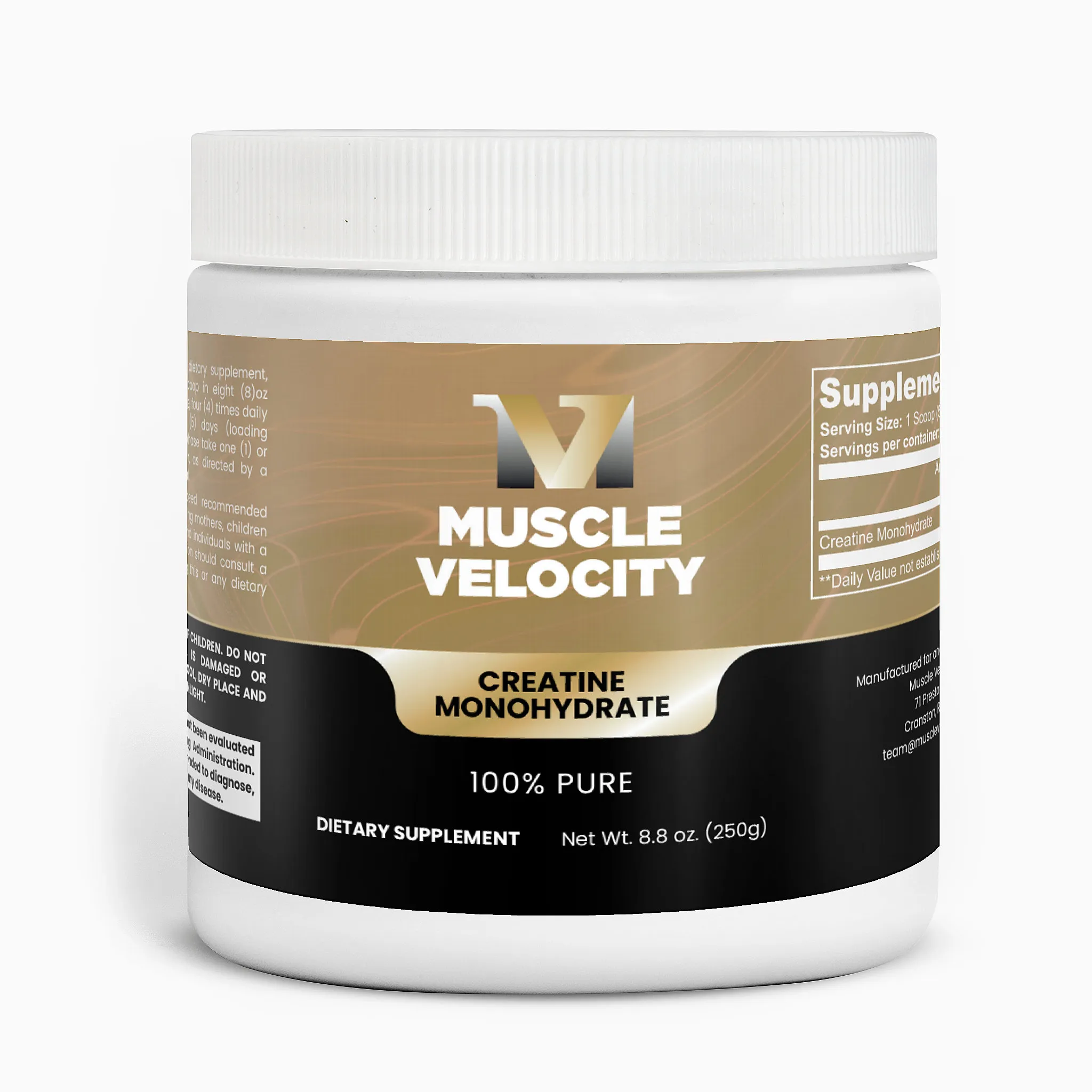
Creatine Monohydrate
Single-ingredient micronized monohydrate for a straightforward daily creatine routine.
View creatine monohydrateComfort without hype
No honest creatine brand can promise zero water gain. You can still make the routine easier on your stomach.
This guide is part of our creatine use-case guides track. For continuity, read micronized creatine monohydrate and creatine for beginners.
The short answer
There is no honest way to guarantee creatine without bloating for every person. Creatine can increase water stored inside muscle, and large single servings can cause gastrointestinal discomfort in some users. The practical approach is to distinguish normal muscle water from digestive bloating, avoid an aggressive loading phase when comfort matters, use a moderate serving, and choose a product that mixes cleanly.
Decision brief
Water stored within muscle is an expected effect and is not the same as digestive bloating.
Large single servings are more likely to be uncomfortable than a moderate routine.
A loading phase is optional, so you can skip it when tolerance is the priority.
Micronization can improve dispersion, but it does not make creatine biologically incapable of causing water gain.
Muscle Velocity standard
A micronized monohydrate powder can mix more cleanly. Start steadily, track your response, and ignore promises no formula can make for every person.
Simplest protocol
Single-ingredient micronized monohydrate for a straightforward daily creatine routine.
View creatine monohydrateEducational content only. Supplements are not a substitute for medical care. Speak with a qualified healthcare professional when a condition, medication, or persistent symptom is involved.
The word bloating often combines three separate experiences: a higher scale weight, fuller-looking muscles, and gastrointestinal discomfort. They do not have the same cause, so they should not be treated as one problem.
Creatine draws water into muscle as tissue stores increase. That can move the scale and make muscles appear fuller. It is not body-fat gain, and it is not automatically the soft, abdominal bloating people fear.
Stomach pressure, cramping, or loose stools are different. They can be related to serving size, an aggressive loading protocol, poor mixing, or individual tolerance. That is the part of the experience you can manage more directly.
If digestive comfort is your main concern, do not begin by forcing a loading protocol. A steady daily approach saturates stores more slowly without requiring several large servings.
Mix the powder completely, avoid taking more than the label directs, and take it with a meal if an empty stomach feels uncomfortable. Change only one variable at a time. Otherwise you will not know whether the dose, timing, product, or another ingredient caused the problem.
Micronized creatine monohydrate has been processed into smaller particles. The practical benefit is better dispersion and less grit in the glass. That can make a daily powder easier to use.
Micronized is not a license to promise zero bloating, zero water retention, or superior muscle uptake. The active ingredient is still creatine monohydrate. Judge the product on transparent dosing, mixability, quality documentation, and your own tolerance—not on an absolute claim no company can make for every body.
Buying checklist
A clearly measured serving makes it easier to avoid the large single doses that can challenge digestion.
Sweeteners, sugar alcohols, and stimulant blends can muddy the picture when you are testing stomach tolerance.
A micronized powder can reduce grit and make thorough mixing easier, even though individual tolerance still varies.
Be skeptical of any label that guarantees zero water gain or zero digestive symptoms for every user.
Fit check
Common questions
No. Responses vary, and people often use the word bloating for both normal water stored in muscle and gastrointestinal discomfort. Creatine can increase body water and scale weight, but not every user experiences uncomfortable digestive symptoms.
Micronization improves how the powder disperses and can reduce grit. It does not guarantee freedom from water gain or digestive symptoms because the active ingredient remains creatine monohydrate.
Yes. Loading is optional. A consistent maintenance routine raises tissue stores more gradually and may be easier for people concerned about digestive comfort.
No. A change in body water is not body-fat gain. Creatine-associated water is generally discussed in relation to water held within muscle as stores rise.
Evidence desk
Continue the creatine guide