
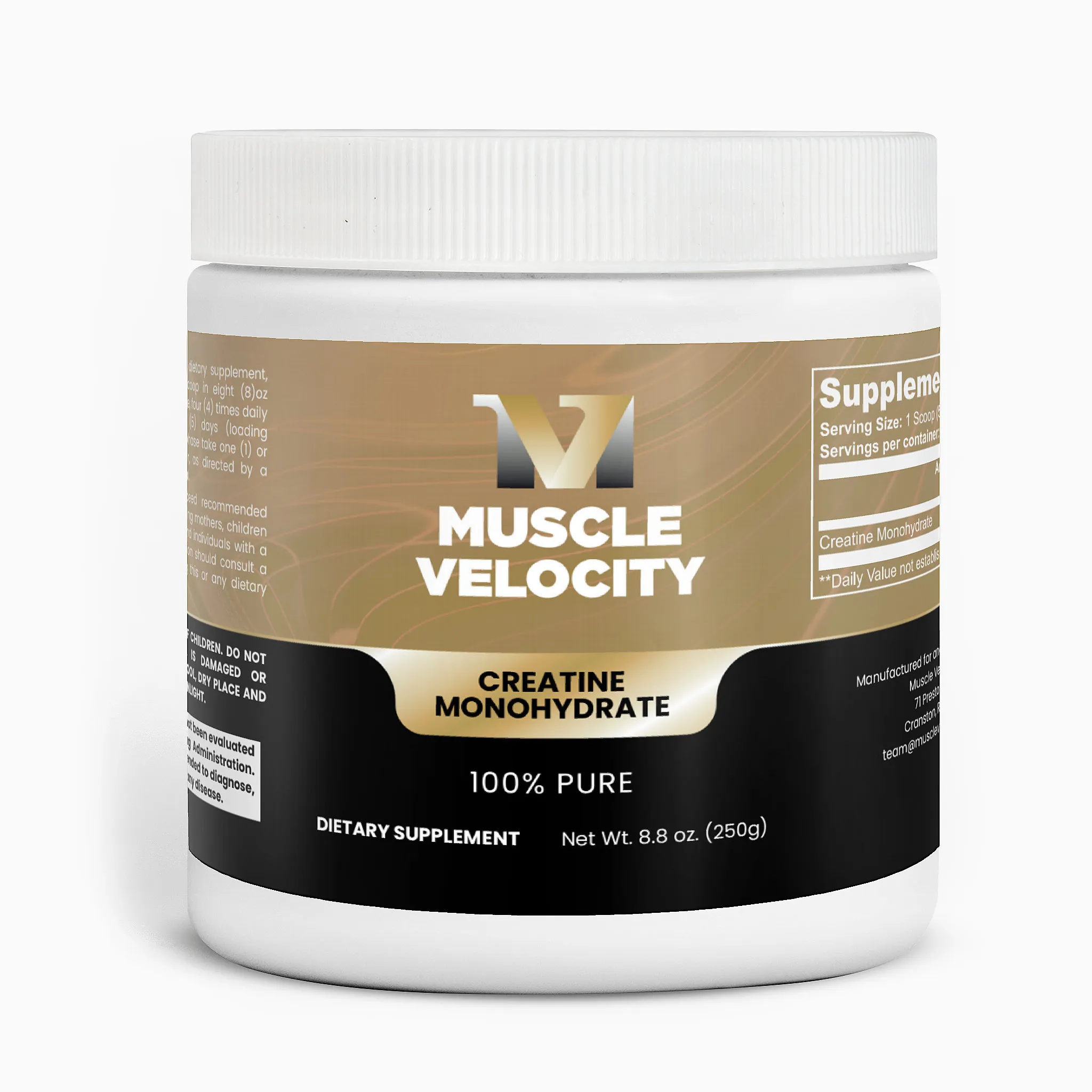
Simplest protocol
Creatine Monohydrate
Single-ingredient micronized monohydrate for a straightforward daily creatine routine.
View creatine monohydrateObjection: hair
The rumor traces to one 2009 study that never looked at hair. In 2025 a trial finally measured it. Here is what both actually found.
This guide is part of our creatine use-case guides track. For continuity, read creatine monohydrate and why DHT matters.
The short answer
No trial has shown that creatine causes hair loss. The worry comes from a 2009 study of college rugby players in which DHT rose after a loading week but stayed inside the normal range, and nobody measured hair. A 2025 twelve-week randomized trial measured hair directly and found no change in DHT, testosterone, hair count, or hair density. That trial was small, with 38 men analyzed, short, and limited to young resistance-trained men. It excluded men on finasteride or minoxidil and did not screen for family history. So the honest answer is this: the best evidence says no, and the gaps are the ones a careful reader should know about.
Decision brief
The hair-loss rumor rests on one 2009 study that measured a hormone ratio, not hair.
The 2025 trial measured hair count and density and found no difference from placebo.
Twelve weeks in young men cannot rule out an effect over years in men already losing hair.
Across trials, creatine does not meaningfully raise testosterone. It is not a hormone product.
Muscle Velocity standard
Muscle Velocity Creatine is micronized creatine monohydrate and nothing else, so the one variable you add is the one the trials studied.
Simplest protocol
Single-ingredient micronized monohydrate for a straightforward daily creatine routine.
View creatine monohydrateEducational content only. Supplements are not a substitute for medical care. Speak with a qualified healthcare professional when a condition, medication, or persistent symptom is involved.
In 2009 a small study followed college rugby players through a creatine loading week and two maintenance weeks. The ratio of DHT to testosterone went up. That single result is the root of nearly every forum thread that says creatine thins your hair.
Two details get left out of the retelling. DHT stayed inside the normal laboratory range the whole time. And nobody measured hair. The study was about a hormone ratio in a few athletes, not about hairlines.
For sixteen years that was the only data point. No trial measured hair until 2025.
In 2025 a randomized, placebo-controlled trial finally asked the question directly. Resistance-trained men took creatine monohydrate or a maltodextrin placebo for twelve weeks. The research protocol used five grams a day. The researchers measured scalp hair count and density, DHT, testosterone, and kidney markers.
There was no difference between creatine and placebo on any of them. Hair count and density did not change. DHT and testosterone did not change. The authors called it strong evidence against the claim that creatine contributes to hair loss.
Now the limits, because they matter. Thirty-eight men finished the analysis. Twelve weeks is a short window for hair, which cycles over months. The men were young and trained. The trial excluded anyone on finasteride or minoxidil, anyone with a hair-restoration procedure, and anyone with a condition known to affect hair. It did not screen for family history. If you are forty-five with a receding hairline, this trial did not study you.
DHT is made from testosterone by an enzyme called 5-alpha reductase. In men who inherit the sensitivity, DHT shortens the growth phase of scalp hair follicles until they produce thinner, shorter hairs. That is male pattern hair loss, and it is why any supplement that touches DHT deserves a real answer rather than a shrug.
The real answer, on the evidence so far, is that creatine has not been shown to move DHT in a way that changes hair. One study saw a ratio shift within the normal range. The trial that measured hair saw nothing. The DHT guide linked at the top of this page goes deeper on the mechanism.
This is the other half of the same worry, so it belongs here. A 2021 review of the trial evidence found no consistent rise in testosterone with creatine. The 2025 trial found none either.
The strength you feel on creatine comes from more phosphocreatine in the muscle, which regenerates ATP faster during short, hard efforts. It is an energy-system effect, not a hormone effect. If a brand sells creatine as a testosterone booster, it is selling the rumor and the benefit at the same time.
Buying checklist
Family history and your current hairline matter more than any supplement. Know where you stand before you change anything.
Take one under the same light, then another at twelve weeks. The trial window is the honest window.
If something changes, you want one variable. Creatine monohydrate on its own keeps the picture clean.
Fit check
Common questions
One 2009 study found a higher DHT-to-testosterone ratio after a loading week, with DHT still in the normal range. The 2025 twelve-week trial found no change in DHT compared with placebo. Two studies, two results, and the newer, longer one measured hair as well.
Not in any meaningful way. A 2021 review of the trial evidence found no consistent rise in testosterone with creatine. The strength you feel comes from more phosphocreatine in the muscle, not from hormones.
The evidence does not say it is, but the 2025 trial did not include men on hair-loss medication, and no trial has run for years. If you are managing thinning hair, ask the dermatologist who knows your case before adding anything.
Scalp hair cycles over months. The 2025 trial saw no difference at twelve weeks. If you are watching for a change, compare photos at twelve weeks under the same light rather than judging day to day.
Evidence desk
Deepen your understanding with these specific protocols.
Continue the creatine guide