
What SHBG does
SHBG is a protein that binds and carries sex hormones, including testosterone, in your blood. Testosterone bound to it is not counted as free.
Free and loosely bound testosterone generally reflect the clinical picture more accurately than total testosterone does.
Why total and free can disagree
Age is the first driver. In the Massachusetts Male Aging Study, SHBG rose about 1.6% per year of age in men aged 40 to 70. Over the same span, free testosterone fell about 2% per year, more than twice as fast as total.
Smoking is a clean example of the split. In the European Male Aging Study, smokers had higher SHBG and higher total testosterone, but not higher free testosterone. The total looked better; the free did not.
Body weight pulls the other way on SHBG. A 2025 review links obesity to marked reductions in SHBG, about 1.26 nmol/L lower for each one-point rise in BMI. In the European Male Aging Study, heavier men had lower total and lower free testosterone.
- Rising SHBG with age: free fell about 2% a year, more than twice as fast as total.
- Smoking: SHBG and total were higher, but free was not.
- Falling SHBG (obesity): total drops, and free was lower too in heavier men.
How free testosterone is measured
Not every free testosterone result is equal. The method on the report matters.
- Equilibrium dialysis: reliable, but too slow for routine clinical use.
- Calculated free testosterone: worked out from total testosterone and SHBG. It matched equilibrium dialysis almost exactly in every condition studied except pregnancy.
- Direct analog immunoassay: gave only a fraction of the true value, and the fraction shifted with SHBG. Not a reliable index.
- Free androgen index: also not a reliable index of free testosterone.
When to ask for free testosterone
The Endocrine Society guideline recommends free testosterone when total sits near the lower limit of normal, or when a condition may alter SHBG. Near the lower limit means near the bottom of the reference range printed on your lab report, whether it is in ng/dL or nmol/L.
The EAU guideline says to measure SHBG and calculate free testosterone when indicated. Either way, the result is read alongside symptoms and repeat morning tests. It is not a diagnosis by itself.
Lab checklist
What to check on a free testosterone result
The method
Equilibrium dialysis or calculated free testosterone. Be wary of a direct analog immunoassay.
SHBG on the report
A calculated value needs both total testosterone and SHBG.
Morning and fasting
Total testosterone drives the calculation, so the same timing rules apply.
The unit
Check which unit your lab uses for free testosterone before you compare.
Fit check
Who this guide is—and is not—for
Good fit
- Men whose total testosterone looks normal but who still have symptoms.
- Men with a result near the lower limit who want to know what to ask for next.
- Men told their SHBG is high or low and wondering what that means.
Poor fit
- Anyone hoping to lower SHBG with a supplement. No source here shows one that does.
- Men looking for a diagnosis from one number. That takes symptoms, repeat tests, and a clinician.
Common questions
The questions worth answering
What is the difference between free and total testosterone?
Total counts all testosterone in your blood. Free is the share not bound to proteins such as SHBG. Free and loosely bound testosterone generally reflect the clinical picture more closely than total.
What does high SHBG mean for my testosterone?
More testosterone is bound, so total can look normal while free is lower. SHBG tends to rise with age, and smokers in one large study had higher SHBG and total, but not higher free, testosterone. The cause needs a clinician.
What does low SHBG mean?
Low SHBG is linked to obesity, about 1.26 nmol/L lower per one-point rise in BMI. In a large European study, heavier men had lower total and lower free testosterone.
Which free testosterone test should I ask for?
Equilibrium dialysis, or free testosterone calculated from total testosterone and SHBG. A 1999 comparison found the calculation matched dialysis closely, while direct analog immunoassays did not.
Can I lower my SHBG?
The studies here describe links with age, weight, and smoking. None tests a food or supplement that lowers SHBG on purpose. Talk to your doctor before trying to change it.
Muscle Velocity standard
Know your numbers. Read them with a clinician.
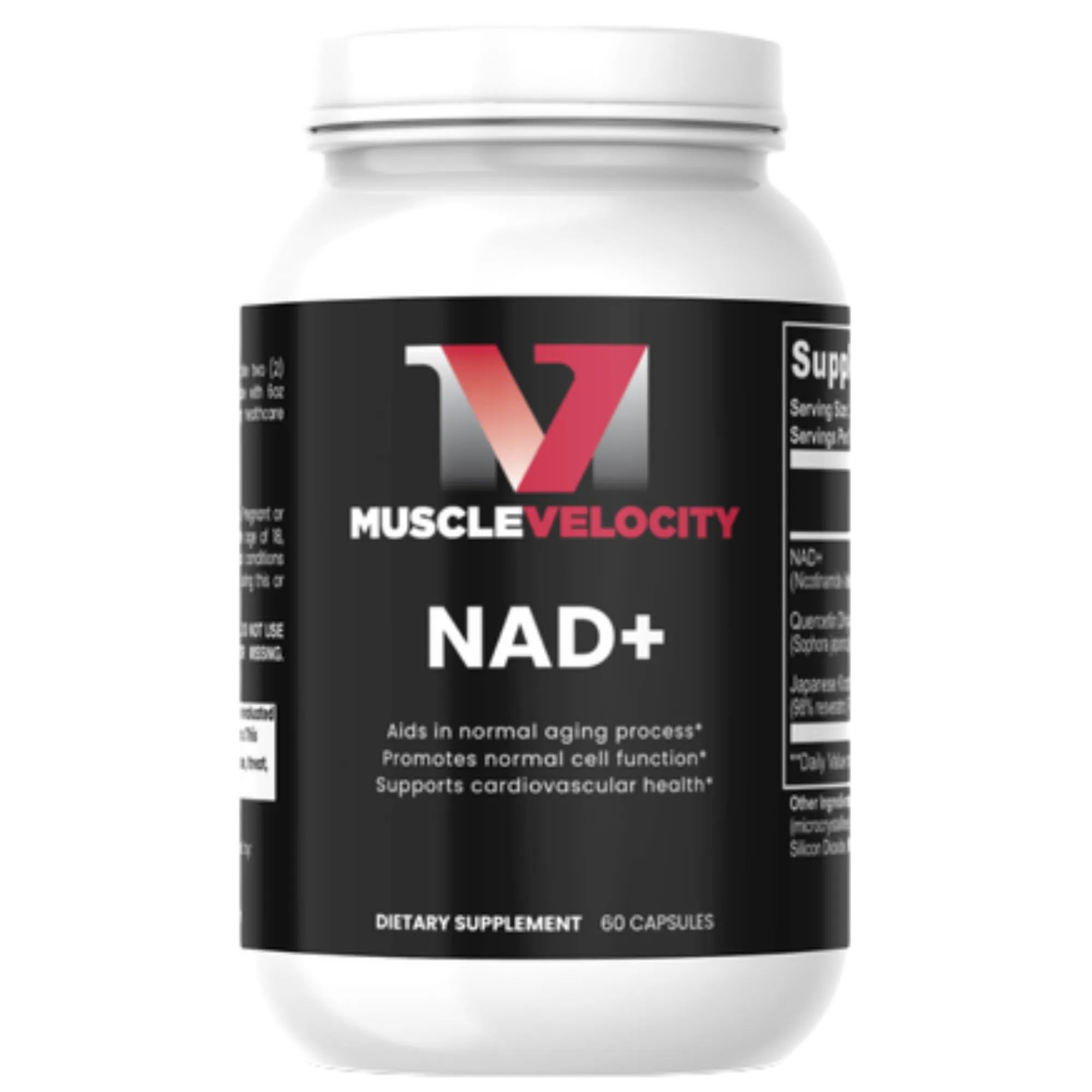
Ask for the right free T test and read it with your clinician. If you also want a daily NAD+ protocol for cellular energy, see what is in ours.
Daily cellular protocol
NAD+
500mg of NAD+ supported by Quercetin and Resveratrol, dosed once daily for cellular energy and metabolic health.
View NAD+Educational content only. A lab result is not a diagnosis, and supplements are not a substitute for medical care. Speak with a qualified healthcare professional about symptoms, results, or medication.
Evidence desk